
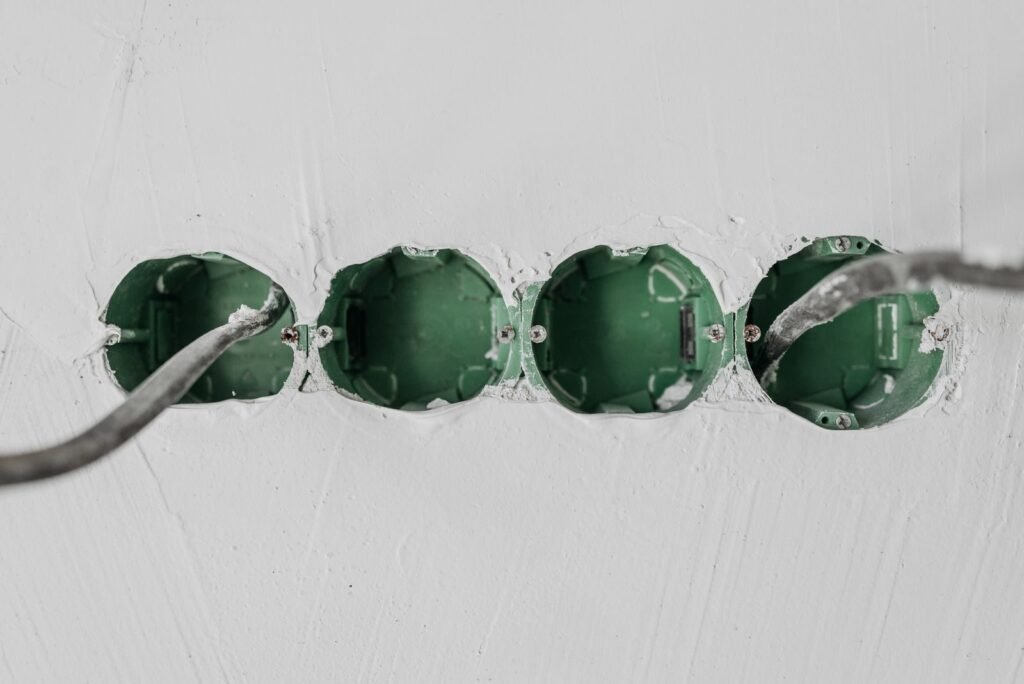
Your electrician handles the wiring that powers your home. But there’s a second, quieter wiring system that determines how well your home actually works in the modern world: low-voltage wiring — the network cables, speaker wires, and camera lines that carry data instead of power.
In new construction, planning this system before drywall is one of the highest-value, lowest-cost decisions you can make. Here’s why.
First: What Counts as “Low Voltage”?
Low-voltage (or “structured”) wiring includes:
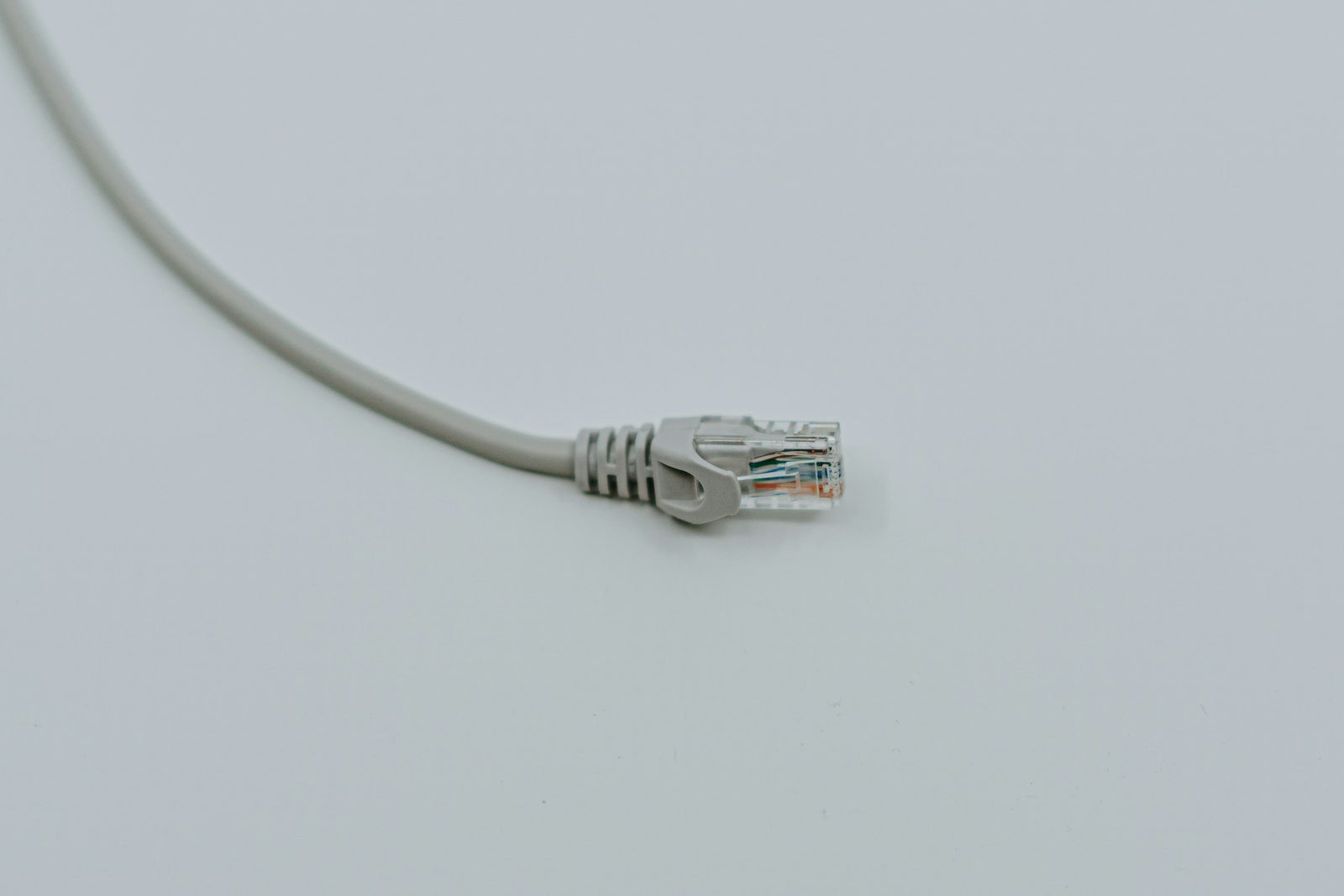
- Ethernet (Cat6/Cat6a) network cable — for wired internet drops, ceiling Wi-Fi access points, and streaming devices
- Security camera wiring — modern cameras run on a single network cable that carries both power and video
- Speaker wire — for in-ceiling, in-wall, and outdoor audio
- Doorbell, sensor, and control wiring — for smart doorbells, alarm sensors, and automated systems
It all routes back to a central panel or closet — the “brain” of the house — where your internet service, network equipment, and camera recorder live neatly in one place.
Benefit 1: Massive Savings vs. Doing It Later
While the studs are exposed, running cable is quick and non-destructive. After move-in, the same work means cutting and patching drywall, fishing wires blind, and repainting — professional installers estimate retrofit installations cost 40–60% more in labor alone. Some runs, like camera wiring on exterior walls or cables across cathedral ceilings, may be effectively impossible to retrofit cleanly at any price.
Benefit 2: Wi-Fi That Covers the Whole House
Ironically, great wireless starts with wires. The best whole-home Wi-Fi systems use multiple access points mounted in ceilings, each fed by an Ethernet cable back to the network closet. Low-voltage planning puts those cables exactly where coverage math says they belong — so there are no dead zones in the primary bedroom, garage, or back porch, and no ugly extenders plugged into outlets.
Benefit 3: Reliability Wireless Can’t Match
Wireless is convenient; wired is dependable. TVs, gaming consoles, work-from-home desks, and security cameras all perform noticeably better on a cable — no buffering, no dropouts during video calls, no cameras going offline. With nearly half of U.S. internet households now running smart home devices (and device counts growing every year), a wired backbone keeps the wireless spectrum free for the things that truly need it.
Benefit 4: Your Home Stays Upgrade-Ready for Decades
Technology changes; wire in the walls endures. Quality Cat6 cabling installed today supports speeds far beyond what most homes use, and empty conduit runs (a smart, cheap addition during framing) let future owners pull whatever cable the 2040s require without opening a wall. It’s permanent infrastructure, like plumbing.
Benefit 5: It Adds Real Value at Resale
Technology-ready homes stand out. NAHB buyer research shows security and home-tech features climbing buyers’ priority lists, and industry analysis puts the resale premium for smart-ready homes at up to 5%. For builders, a professionally prewired home is a differentiator that costs little and shows beautifully.
What a Low-Voltage Plan Includes
A proper plan is drawn from your floor plan before framing: network drop locations, access point positions, camera angles and mounting points, speaker layouts, the central panel location, and conduit for the future. Then it’s installed in one coordinated pass alongside the electrician’s work.
That’s exactly what we do at Riverview IT. We work with Chattanooga homeowners and builders to design and install low-voltage systems as part of our residential new construction services — and we support everything after move-in, too. Request a free consultation before your build closes up, or call (423) 500-0140.