
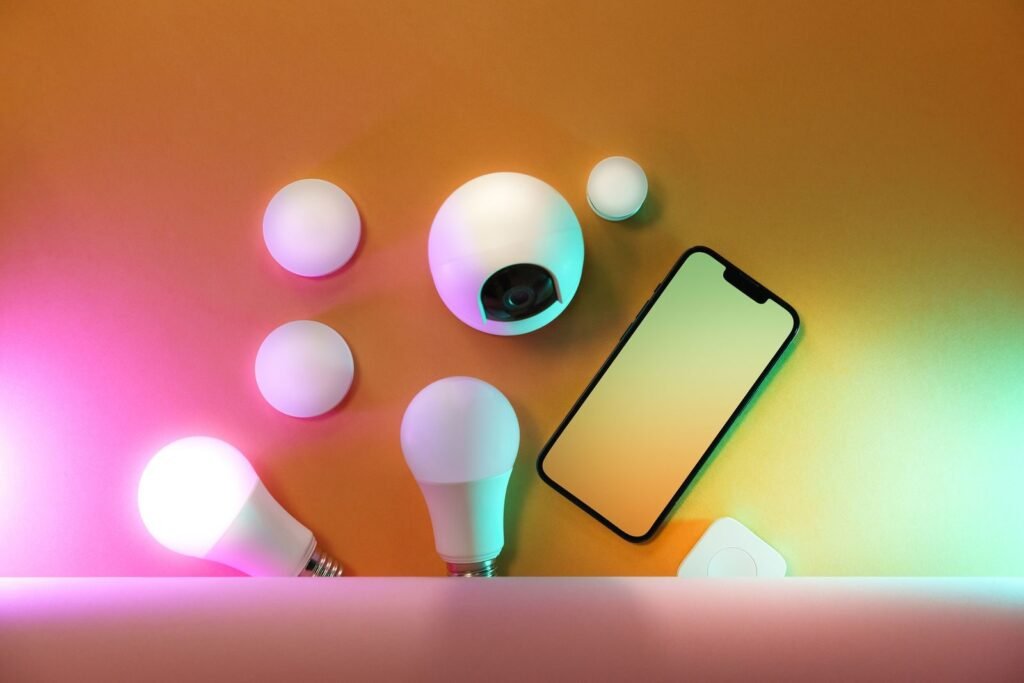
Not long ago, a “smart home” meant a hobbyist’s house full of gadgets that barely talked to each other. In 2026, it means… most homes. Smart technology has officially crossed from novelty to normal, and the numbers tell a striking story. Here’s where smart home popularity stands in 2026 — and what it means if you own, rent out, or are building a home.
Smart Homes Are Now the Majority
Roughly half of all U.S. households — about 77 million homes — actively use at least one smart home device in 2026, and surveys of U.S. and Canadian households found adoption jumping from 49% to 59% in a single year. Parks Associates tracking shows 45% of internet households own a core smart device beyond just a smart speaker, with video doorbells alone in one of every five homes.
The market reflects it: the global smart home industry is valued at roughly $164 billion in 2026, with the U.S. accounting for about a third of that. This isn’t a fad — it’s infrastructure.
What People Are Actually Buying
The most popular categories in 2026 line up with three motivations: security, savings, and convenience.
- Security first. Video doorbells, smart locks, and cameras remain the top entry point — smart security cameras are the fastest-growing device category worldwide.
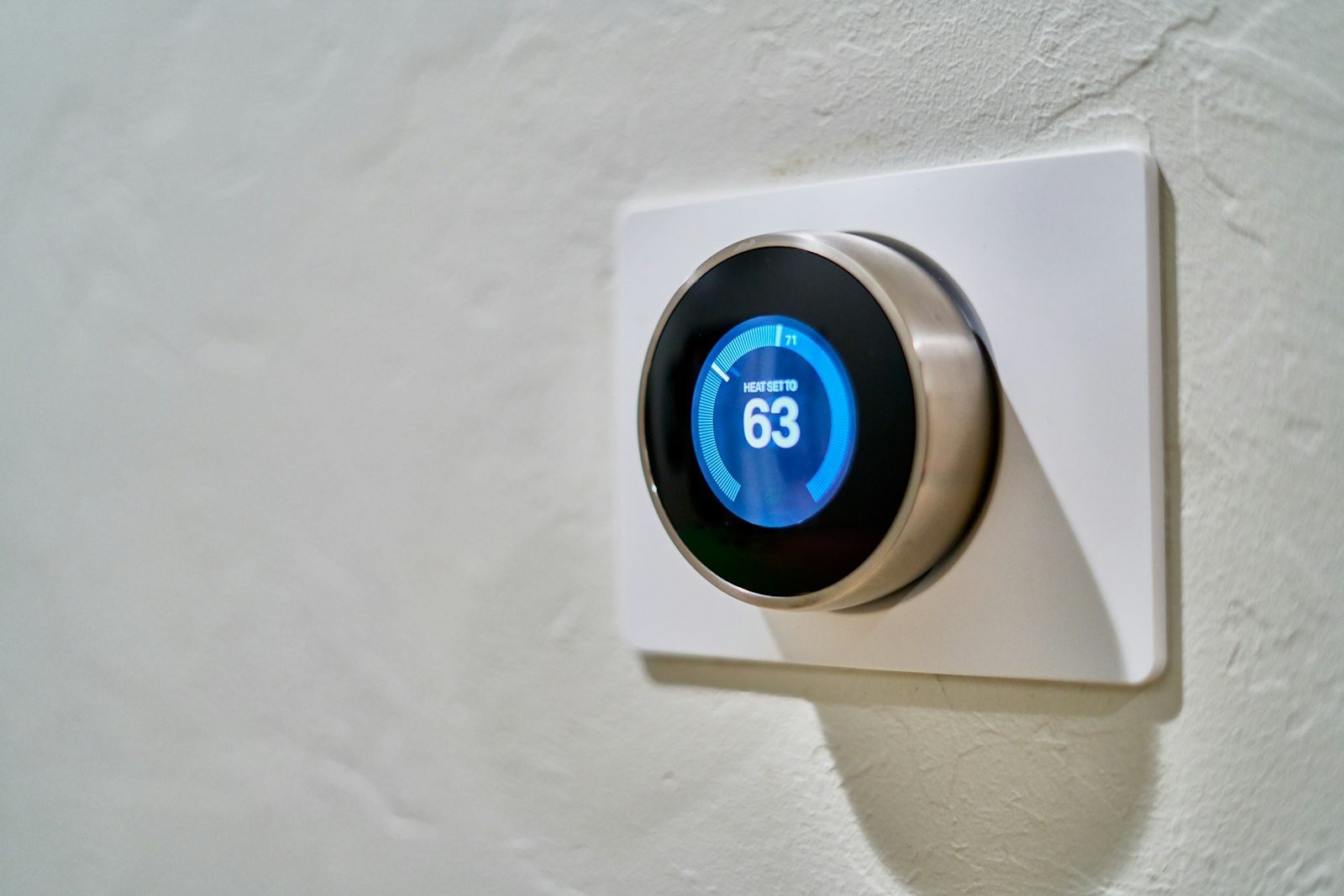
- Energy management is surging. Smart thermostats and lighting help cut utility bills; energy management is among the fastest-growing segments as electricity costs rise. Programs like ENERGY STAR certified smart thermostats quantify real savings.
- Whole-home experiences. Multi-room audio, smart lighting scenes, and automated shades are moving from luxury builds into mainstream homes.
The Trends Defining 2026
1. Devices finally speak the same language
The Matter standard — backed by Apple, Google, Amazon, and Samsung — keeps maturing, meaning devices from different brands increasingly just work together. That lowers the risk of buying into a “dead-end” ecosystem.
2. Buyers expect it in new homes
Smart features have shifted from upgrade to expectation. National Association of Home Builders research consistently shows buyers prioritizing security technology, programmable thermostats, and lighting controls — and smart features can add up to 5% to resale value.
3. Security of the devices themselves matters
More devices means more targets: research cited in 2026 smart home statistics found connected households face dozens of attempted cyberattacks per day across their devices. A properly configured, secured home network is no longer optional.
4. Professional installation is back
As mainstream buyers replace early adopters, fewer people want to be their own IT department. The winning setup in 2026 is professionally designed, reliable, and boring — in the best way.
What This Means for Chattanooga Homeowners
Whether you’re building, upgrading, or running a short-term rental, the takeaway is the same: the technology is mature, guests and buyers expect it, and the difference between “smart home” and “frustrating home” is planning and a solid network underneath.
If you’re building, our smart home services for new construction get the wiring and Wi-Fi designed in before drywall. If you host guests, our smart rental technology packages handle locks, Wi-Fi, and cameras end to end. Either way, schedule a free consultation or call (423) 500-0140 — we’re local to Chattanooga and we make smart homes actually work.